
Hiking with alpacas

Outdoor
Alpaca trekking in the Black Forest

Author: Corinna David
21 January 2021
Alpaca trekking in the Black Forest
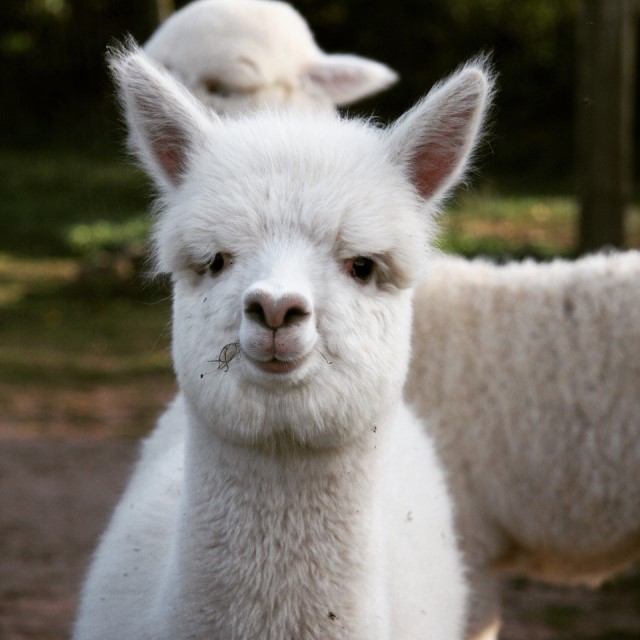
Let yourself be enchanted by these animals, which can even put the most reluctant walker in a good mood. With a few tips and tricks, you'll learn how to lead the alpacas, and then you're off! But beware: an old saying goes, "Never look too deeply into an alpaca's eyes, you might fall in love." These social animals, which feel most comfortable in groups, like plenty of space and room to roam and are inherently relaxed and peaceful. If something doesn't suit them, however, they can sometimes make it very clear – with their well-known spitting! But don't worry, this really happens very rarely, as these animals are seldom easily disturbed.
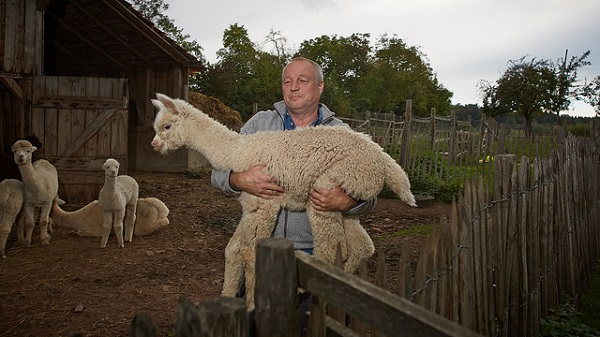
On the Kusterer family farm , which is located in a secluded and extremely idyllic spot in the small Liebenzell district of Beinberg, there are approximately 65 alpacas. The couple has been breeding and caring for these animals, which originate from Peru, for many years.
The animals' fine fiber is processed into high-quality products. Besides the breeding farm and the farm shop, where they offer a diverse selection of products for sale, Beinberg offers the opportunity to take wonderful hikes accompanied by these gentle animals. Whether big or small, young or old, roaming through nature with the alpacas and becoming one with the animal is an indescribable experience.
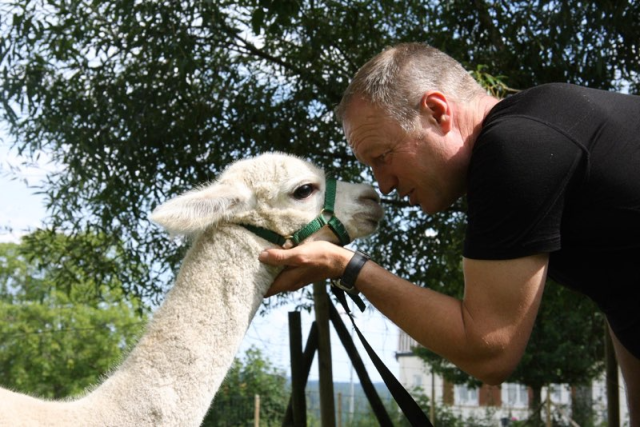
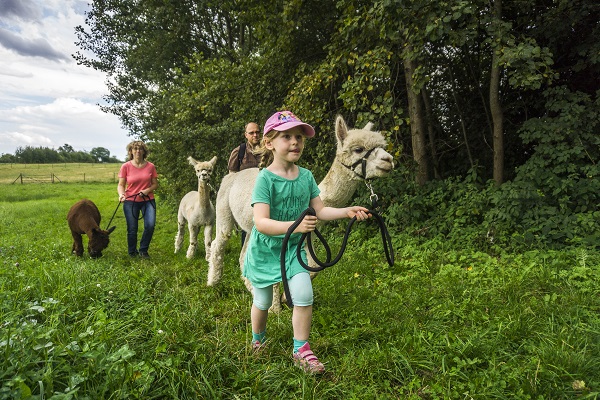
Between April and October, you can lead your own alpaca if you're 10 years old or older! If you're younger, you can still join in and help lead the alpaca, provided you're accompanied by an adult. From alpaca walks to guided tours, everything is possible. Experience a completely different perspective on the Black Forest and its natural beauty with these animals. And after a short introduction to the fascinating world of alpacas, you're ready to go.
The animals sniff you and curiously observe you, and after a few moments, you're your new best friends! You must care for your alpaca attentively and respectfully as you hike together through the meadows of Beinberg. Along the way, you'll explore the diverse landscapes of the region. You'll enjoy the panoramic views and experience fir forests and moss-covered paths. The fresh Black Forest air fills your lungs as your four-legged companions keep you on your toes. As you do this, you gradually slow down and become increasingly at one with nature.
Hiking with these cuddly companions is simply a very special experience! Since alpacas are naturally curious and like to dawdle a bit, a one-hour walk might sometimes take a little longer, but that's exactly what makes it relaxing, isn't it?
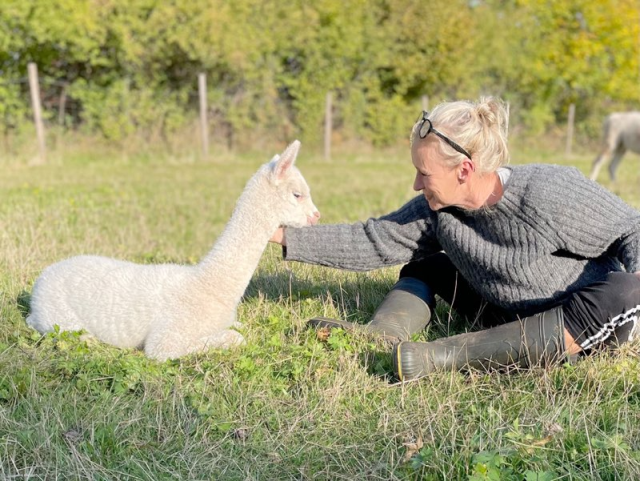
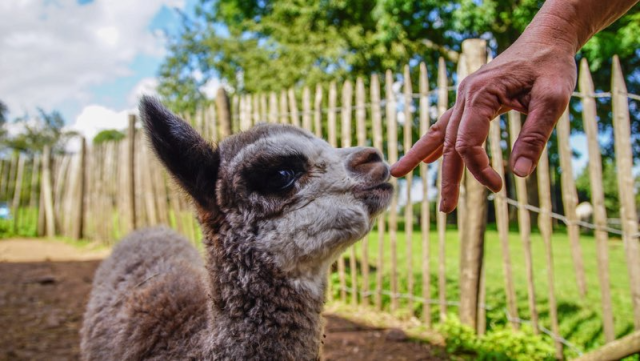
Even during the winter, when walks with the animals aren't possible, you can visit the alpacas anytime, even without prior notice. With a bit of luck, you might even spot little foals in the paddock at the right time.
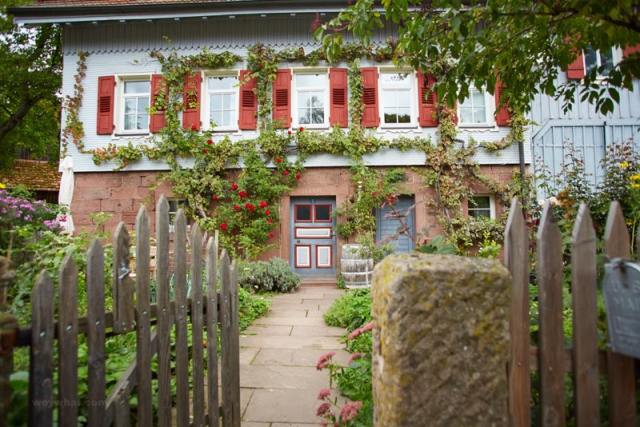
Even after a successful walk or visit with the alpacas, you can still discover something special in the farm shop . Everything here revolves around alpacas. What's unique is that all the products available are made from the wool of the farm's own alpacas. In their own "bypaka Manufaktur," the wool, known in the Andes as the "fleece of the gods," is processed into all sorts of special products. You can buy a cuddly alpaca fleece or your first sweater made from cozy alpaca fleece. Quilts and warm insoles for shoes are also available. In addition to the alpaca wool products, there are also farm-made items such as liqueurs, juices, schnapps, syrups, and even hand-sifted camel soap. It's definitely worth a look, and you'll surely be surprised by the variety of products – there's definitely something for everyone! Perhaps you'll even find something to take home with you from your trip to Beinberg!
One thing is certain: a visit to the Beinberg Alpaca Farm is worthwhile, whether just to look around, browse the farm shop, or attend one of the many events held on the farm. The alpacas look forward to your visit!
10 facts about alpacas that you probably don't know:
- There are no alpacas living in the wild; they are descended from the free-roaming vicuñas of Peru and were domesticated by the Incas.
- Unlike llamas, alpacas are kept less as pack animals and more for their cuddly soft wool, and were originally bred by the Incas in Peru for these reasons.
- Alpacas can live up to 20 years and prefer to spend their entire lives in a herd.
- They can also survive in almost all climate zones and are masters of adaptation.
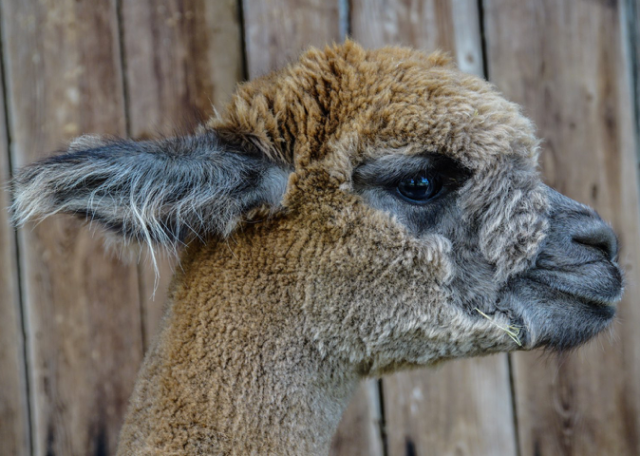
- The coat color of alpacas varies greatly; there are even 22 different colors ranging from white to pinkish-grey to deep black.
- Alpacas do not have classic hooves; thanks to the soft sole pads under their feet, they can easily stand on steep slopes and are gifted climbers.
- The four incisors that alpacas have in their lower jaw always grow back, even if they should break or lose one.
- If a female alpaca has no interest in a male alpaca, she gets rid of the unwanted admirer by literally spitting him away.
- Alpacas prefer to always use the same spot to relieve themselves. Therefore, alpaca herds often have a communal toilet area. For this reason, alpacas can be house-trained very quickly.
- The sound alpacas make most often is a kind of humming. They hum when they are content, curious, relaxed, but also anxious. However, if there is imminent danger, they emit a loud alarm call to warn the herd.
Photos: Alpaca Farm Beinberg / Kusterer Family