
For eight generations, a "baa" in the ear

Customs & Tradition
Between sheep, tradition and modernity

Author: Leonie Peichl
April 4, 2022
The shepherd of the 21st century
Jule is 11 years old and already a real shepherd pro. She knows all the routines on the farm and is always eager to lend a hand whenever there's something to do or she can learn something new. No wonder, really, since she practically grew up among the sheep and has been experiencing life as a shepherd since she was a child.
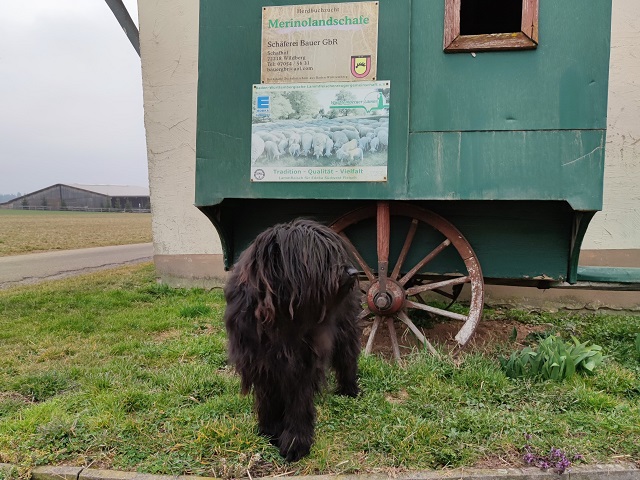
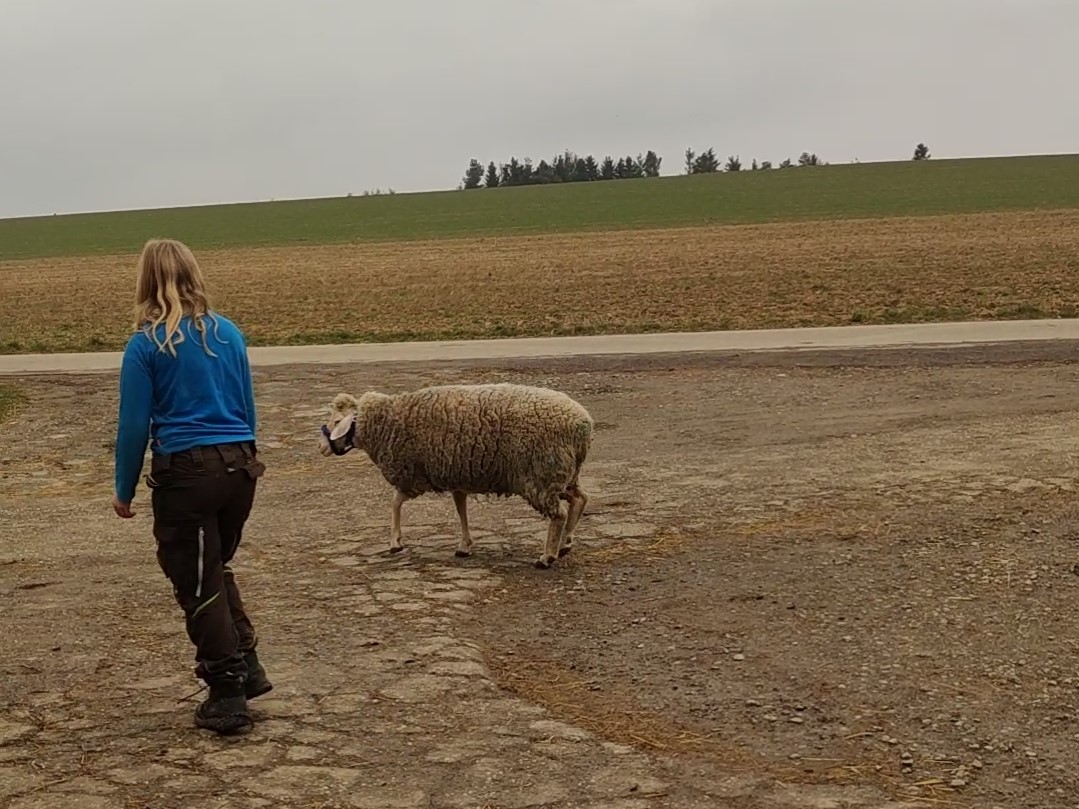
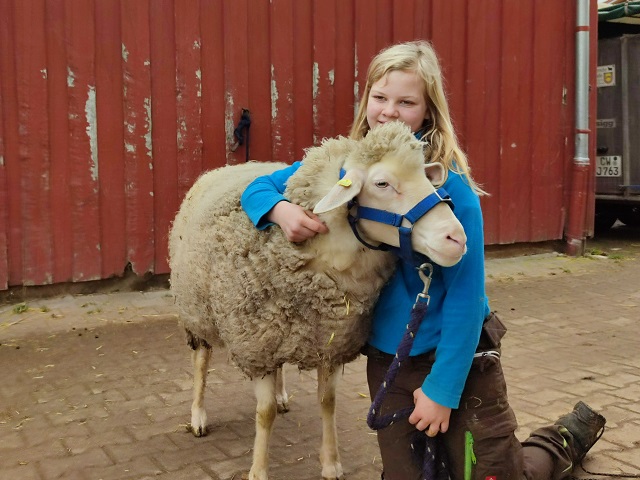
Jules' own sheep, which she bottle-fed The dog is even tame and lets her lead it around on a halter, pet it, and cuddle it. The sheepdog also obeys Jule's every word. Shepherd Karl Bauer is proud of his daughter, who might one day follow in his footsteps as the town shepherd of Wildberg will occur. She would thus even be the first female city shepherdess in history Wildbergs!
The tradition of being a shepherd is family history. For 8 generations The sheep farm in Kengel is run by the Bauer family, even though the craft has naturally changed fundamentally. The family's lineage can be traced back to the 18th century, as one of their ancestors already worked there as a farmer. Monastery shepherd worked and in Wildberg Over a thousand sheep were herded by smaller farmers in the region during the summer.
Today, the life of a shepherd is different. Karl Bauer's father used to drive his flock every day from the pasture through the town and back to the barn; even with two specially trained sheepdogs, that's no longer possible. These days, road closures are usually necessary to allow the sheep to pass through the town.
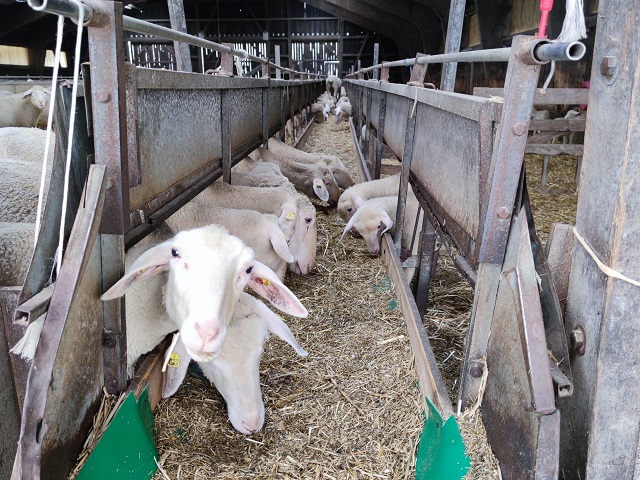
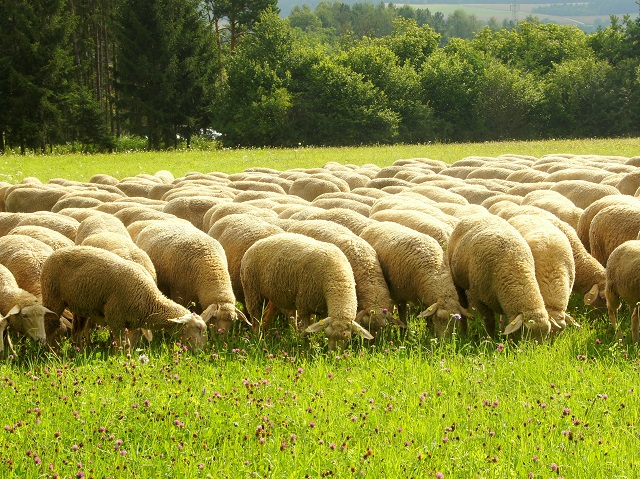
Karl Bauer owns a total of 850 ewes , kept in two separate flocks. The pastures are rotated twice a year, and the sheep spend four months (over the winter) in the barn. It is during this time – between January and March – that the lambs are born. Especially during this period, the shepherd's job is a 24/7 commitment, but the rest of the year is also very labor-intensive. Nevertheless, Karl Bauer can't imagine doing anything else, because despite the hard work, being a shepherd is more than just a job to him. Through family tradition , he feels connected to the craft and loves working with the animals and in the fresh air.
The pastoral culture in Wildberg belongs to the intangible UNESCO World Heritage, which occurs in events such as the Shepherds' race, performance herding or shearing competitions is celebrated. The sheep for the WildbergKarl Bauer's flock also comes from the sheepdog trials; in preparation, he separates a smaller part of the flock several weeks in advance so the sheep can get used to the new dynamics. He himself no longer participates in the trials – he leaves that to others.
Facts about sheep that you probably don't know:
- Lead sheep – the sheep that lead the flock – are not trained for this role; they are born with the leadership gene, so to speak. Even shortly after birth, their more outgoing and curious nature is noticeable. It is therefore very important for the shepherd to gain the trust of the lead sheep early on in order to better control the entire flock.
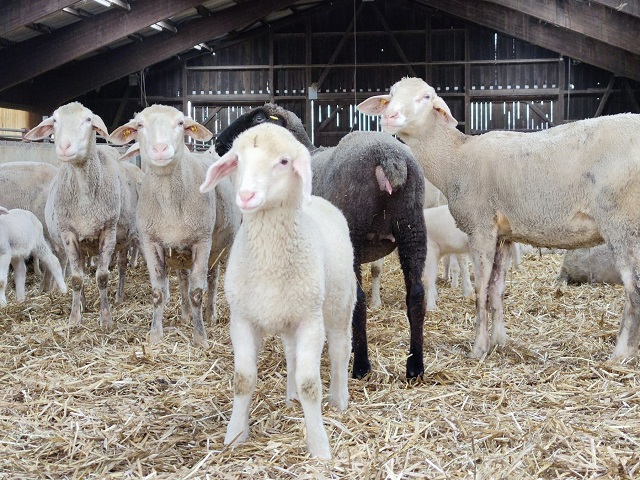
- Each sheep has its own place in the barn, to which it always returns; therefore, all the sheep are always in the same groups and have the same barn neighbors.
- Sheep are very social animals - they form friendships and feel grief when one of the other animals dies.
- Sheep can "smell" with their hooves; they have an extra scent gland between their hooves.
- There are approximately 1 million sheep living in Germany alone!