
Forests, climate change and tourism – an insider's perspective

Outdoor & Sustainability
In conversation with Inge Hormel
Author: Leonie Peichl
26 January 2022
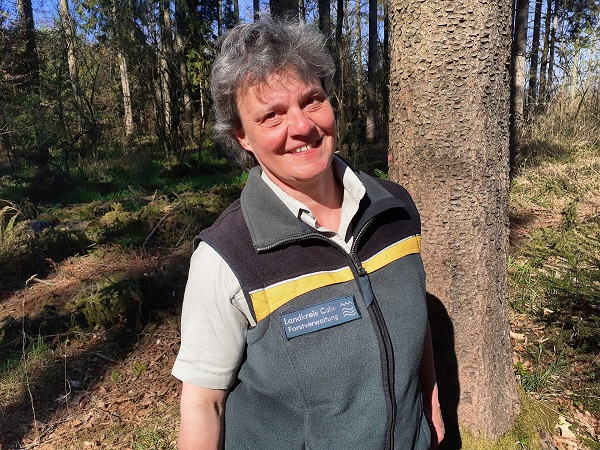
Hello Ms. Hormel! Could you briefly introduce yourself to our readers and explain your role in the region?
My name is Inge Hormel, and I have been the deputy head of the Forestry and Hunting Department at the district office since May 2021. Calw I am active. I was born in Schramberg in the central Black Forest.
Having grown up right next to the forest as the daughter of a sawmill and forest owner, my love for forest and wood developed early on, which is why I decided to study forestry.
In the district Calw I am responsible for the technical management of forestry operations in 10 municipal forests. In addition, I am responsible for forest policy matters – including, among other things, the approval of events, compensatory measures in the forest, forest conversion procedures – private forest consulting, forest education, and forest nature conservation.
Where do you envision synergies between forestry and tourism in the future?
In the district Calw The forest, in all its diverse forms, is a fundamental basis for the region's high appeal as a tourist destination. Therefore, municipalities, tourism associations, forest owners, and the forestry sector should continue their close, strategic collaboration – as they have done in the past – to maintain and enhance the region's tourist appeal without overburdening our most valuable asset: nature/the forest. Regular dialogue and exchange are essential to raise awareness of differing interests and potential conflicts, and to reconcile the interests of the region, forest owners, and forest inhabitants through broad consensus.
I see the task of forestry as being to care for and preserve the forest and its infrastructure, and to work towards keeping particularly sensitive and ecologically valuable areas as free as possible from intensive tourist use.
How compatible are tourism and nature in your opinion? What could be improved?
Many tourism and leisure activities, such as walking, hiking , or cycling, take place in the forest. While people used to go to the forest primarily for hiking, today, thanks to expanded leisure activities and the combination of recreation with sporting goals, the forest is a place for relaxation, leisure, and adventure.
This has led to a qualitative change in recreational use as well as a significant increase in the number of forest visitors. While the increased interest in forest visits is welcome, rising visitor numbers and diverse recreational uses also mean that disturbances to sensitive ecosystems, disturbances to wildlife, and damage to vegetation, forest stands, and forest paths cannot be ruled out.
I see environmental sustainability as being jeopardized where the forest/nature is reduced to a mere "backdrop" or where large crowds of visitors are attracted to a small area. In contrast, I see a significantly lower potential for conflict in tourist offerings where the focus is on interest in and spending time in nature.
Improvements can be achieved through targeted management of visitor flows, the designation of coordinated tours, or the creation of tourism focal points to relieve sensitive and ecologically valuable areas, as well as through information and public relations.
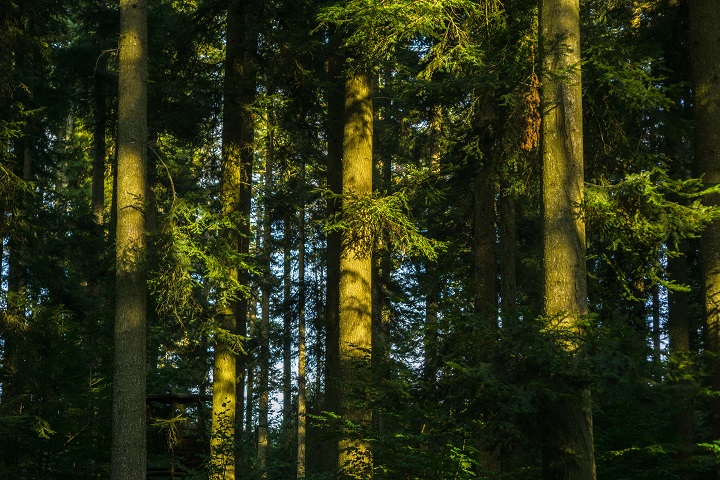
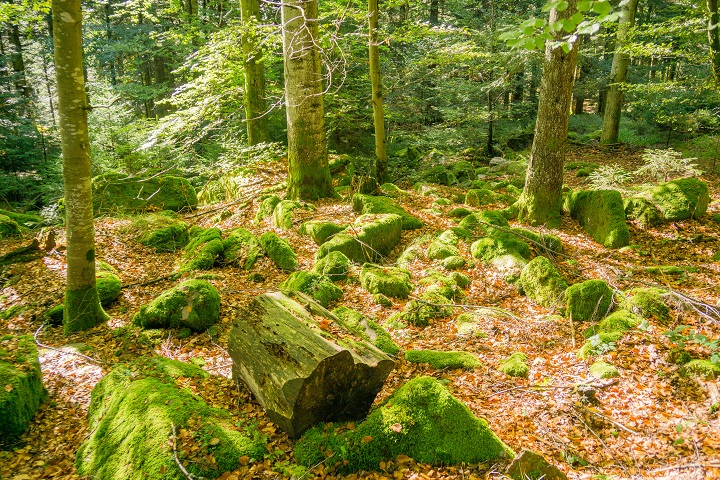
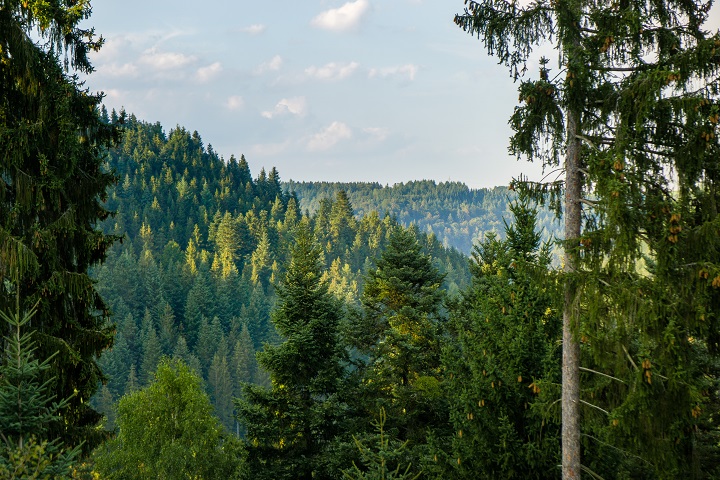
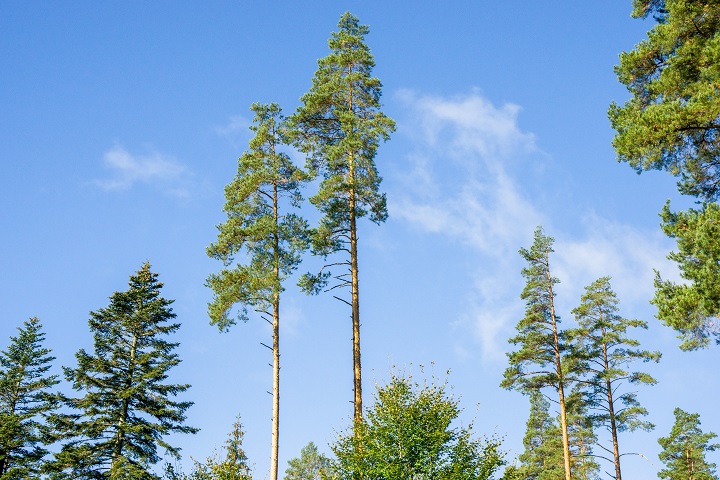
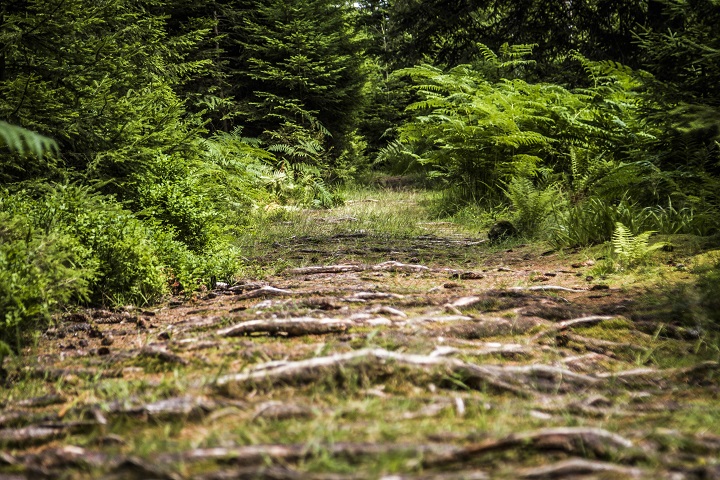
Our most important foundation for tourism is nature, especially our Black Forest. It is precisely here that the effects of climate change have become particularly pronounced in recent years. How would you describe the current state of the forests?
The state of our forests is alarming. The latest forest condition report was recently published in Baden-Württemberg. It shows that all tree species are now suffering considerably from the effects of climate change: beeches, oaks, and ashes, as well as spruces, firs, and pines. In the district Calw While the damage to the forest is relatively minor compared to other regions in Baden-Württemberg, our forests are suffering too – more so in the Gäu region of our district (warmer, drier) than in the Black Forest. In 2021, the forest recovered slightly due to the wetter and cooler weather, but there is no reason to sound the all-clear. What I find particularly alarming is that the damage is affecting tree species such as beech and fir, which have formed the natural forest community in our region since the last Ice Age.
And what measures, both long-term and short-term, is the forestry service in the Northern Black Forest region taking to address climate change?
Predictions regarding the extent of climate change are subject to considerable uncertainty. However, it can be assumed that we must expect higher average temperatures, more hot days, and less precipitation, or precipitation distributed differently throughout the year. Due to their longevity, forests have a very slow capacity to react. The focus of forestry work is the endeavor to manage our forests in such a way that they can meet climate projections and continue to fulfill diverse functions in the future. Scientists agree that species-rich mixed stands (where the risk is distributed across multiple species) and well-crowned individual trees (a large crown signifies high vitality) are best positioned to withstand the challenges of climate change. Our forestry measures are therefore increasingly focused on promoting mixed tree species and increasing the stability of individual trees. Both are achieved through consistent management interventions in both young and old stands. In regeneration areas, tree species that are currently relatively rare in our region and are considered climate-tolerant and drought-resistant are planted – in addition to naturally regenerating trees. Examples include oak, sycamore and Norway maple, hornbeam, winter aconite, walnut trees, wych elm, serviceberry, cherry, hornbeam or Douglas fir.
What would you like to see from guests, hikers, cyclists, etc., who are traveling in the region?
I hope that visitors to the forest and nature will show interest in the forest and nature, respect for it, and a little reverence for creation. Furthermore, it requires sensitivity and understanding that one's own needs cannot be fully met out of consideration for other forest visitors and nature.
We have been recognized as a sustainable travel destination, meaning that interested guests might also be interested in offerings such as helping with reforestation, etc. – could you imagine that, similar to the litter collection campaigns in the region, there could be other opportunities for participation for citizens and guests?
Why not?! Many communities, clubs, associations, schools, etc., already organize tree planting events where groups of people participate. However, these require intensive preparation and coordination. To guarantee successful growth, trees in the forest can only be planted within a narrow window of time each year, and the right tools and expertise are essential for the planting process.